
FASD Diagnostic Clinic
We're the only clinic in Alaska
for children and adults.


If you are an individual who experienced prenatal alcohol exposure, a parent, family member, or caregiver supporting someone who was exposed to alcohol before birth, our Fetal Alcohol Spectrum Disorder (FASD) Program is here to help.
We understand that prenatal alcohol exposure can affect learning, behavior, emotions, sensory processing, daily living, and relationships. Our goal is to help individuals and families better understand the effects of prenatal alcohol exposure, build skills, find the right supports, and develop strategies for success at home, school, work, and in the community.
Whether you’re looking for support for yourself or someone you care about, you don’t have to figure it out alone. We’re here to help.

Established on the Kenai Peninsula back in 2001, Frontier’s diagnostic clinic is one of three in the state and the only clinic that diagnoses both children and adults with FASD.


Dr. Marguerite McIntosh
MD, Family Medicine
Services
1
We start with an assessment

The first appointment is with our family physician. She will complete an exam and learn about the individual's social history. In order to get an accurate diagnosis, we then work with a team of experts in medicine, psychology, speech, occupational therapy, and physical therapy to perform evaluations. Based on those evaluations, our doctor prepares a report with an overview of how the person's brain works, how they learn, their strengths, and their struggles. The individual will come back for a second visit with us to review the results and get a final diagnosis. The average time to complete a diagnosis is 6 months. We recommend testing at three years of age, 10 years of age, and again later in life if there is a change of cognitive function and behavior. Diagnosis is an important tool in helping individuals with FASD plan for education, transition to adulthood, and work-life.
2
You’ll have a support team and resources going forward

During and after the diagnostic process, you'll have the opportunity to work with our FASD Program Coordinator to determine what education and resources would be the best fit for you and your family. This may include guidance on individualized education plan (IEP) processes for children within their schools, parenting classes, connections to employment programs, referrals to outside agencies, and more. We also help individuals understand how they may be affected, how they learn, and what supports would help them be successful.

Serving our community
through education
Frontier’s FASD team offers training locally and across Alaska. Educational opportunities can be scheduled for students, teachers, professionals, families, and community members.
-
FASD 101 -- Basics of the disability
-
Training in the FASCETS Neurobehavioral Approach
To schedule a training, contact Megan Wohlers at mwohlers@fcsonline.org


FASD Resources
Frontier’s FASD program office has a library of excellent resources, including books, articles and videos on prevention and intervention for FASD and secondary disabilities.
Alaska FASD Website
Alaska Center for FASD
FASD United
FASD Collaborative Project
Megan Wohlers
FASD Program Coordinator
The FASCETS Neurobehavioral Approach
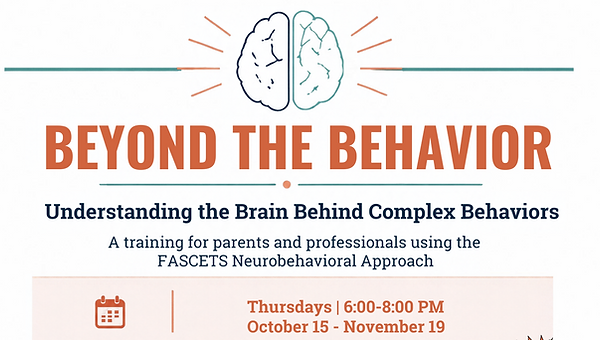
This training helps caregivers understand behavior through a brain-based lens—especially for individuals with FASD and other neurobehavioral differences. This approach shifts the focus from blame and punishment to support, understanding, and practical strategies that actually work in everyday life.
.png)
To request or host an official FASCETS training class for your organization click the link above or call
Megan (907) 290-7774
Our Partners


